About Pipeline Insulation work
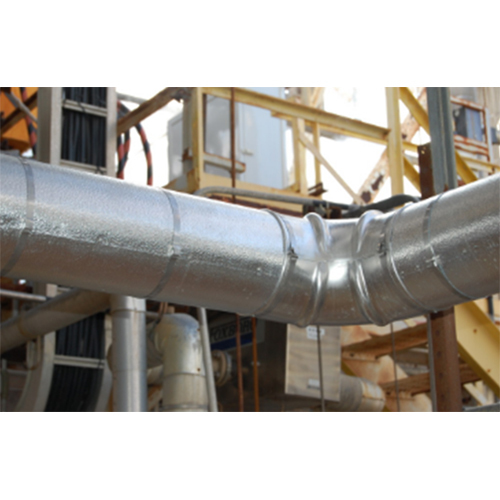
Insulating pipelines helps maintain the temperature inside the line.This can help keep heat in for heating systems, or keep heat out for air conditioning or refrigeration systems.Our expert team doing works as per requirement.Comprehensive Thermal Insulation SolutionsProtect your pipelines with our high-grade insulation systems, tailored for a wide range of industrial and commercial applications. Our materials not only minimize thermal losses and condensation but also comply with leading international safety and quality standards. Choose from sectional, slab, or pre-formed insulation, each offered with fire-retardant, anti-corrosive, and low moisture absorption features for lasting reliability.
Eco-friendly and Safe DesignsAll our insulation options are eco-conscious, offering CFC/HCFC-free solutions that help protect the environment. Fire-resistant and non-combustible properties ensure enhanced operational safety. A selection of moisture and corrosion barriers further prolongs the lifespan of your pipelines, maintaining high performance in even the most demanding conditions.
Custom Installation and FinishesOur expert team provides on-site installation, adapting to the specific requirements of your project. Choose from a variety of surface finishes, including aluminium cladding, stainless steel, and PVC jacketing, for optimal protection and aesthetics. We ensure compliance with regulatory standards and adapt our approach to both new and existing pipelines, whether indoors or outdoors.
FAQ's of Pipeline Insulation work:
Q: How does pipeline insulation help in industrial and commercial settings?
A: Pipeline insulation reduces unwanted heat loss or gain, prevents condensation, and helps maintain process temperatures, improving energy efficiency and safety for industrial and commercial applications.
Q: What insulation materials are available for pipeline insulation work?
A: We offer Rockwool, Glass Wool, Polyurethane Foam (PUF), Nitrile Rubber, and similar materials. Selection depends on the operating temperature, environmental conditions, and specific project requirements.
Q: When should a water vapor barrier or anti-corrosive coating be included in the installation?
A: A water vapor barrier is recommended when moisture absorption is a concern, particularly for outdoor or humid environments. Anti-corrosive coatings should be used when pipelines are exposed to corrosive atmospheres or materials.
Q: Where can pipeline insulation work be installed?
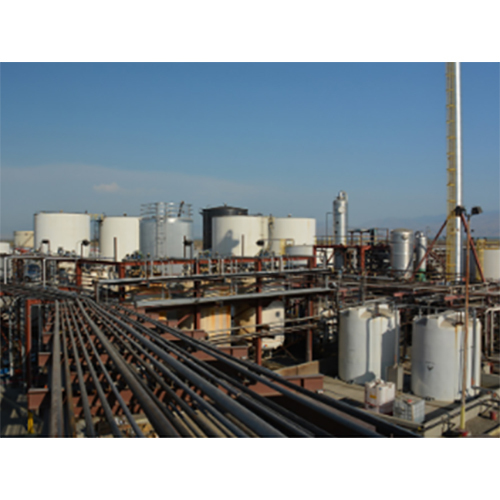
A: Our insulation systems are suitable for both indoor and outdoor pipelines, accommodating a wide range of locations within industrial plants, commercial buildings, and various infrastructure projects.
Q: What is the installation process for pipeline insulation work?
A: We offer sectional, slab, or pre-formed insulation methods based on the pipe size. Our trained professionals carry out custom on-site installations, ensuring proper fit and compliance with industry standards.
Q: What standards and regulations does your pipeline insulation comply with?
A: Our products meet IS, ASTM, and EN compliance standards as per client requirements, ensuring quality, safety, and durability in every installation.
Q: What are the major benefits of choosing your pipeline insulation services?
A: Clients benefit from prolonged service life (15-25 years), reduced energy costs, improved safety, eco-friendly solutions, effective moisture and corrosion protection, and customized finishes suited to various operating environments.




 Send Inquiry