About Steel Pipeline Fabrication
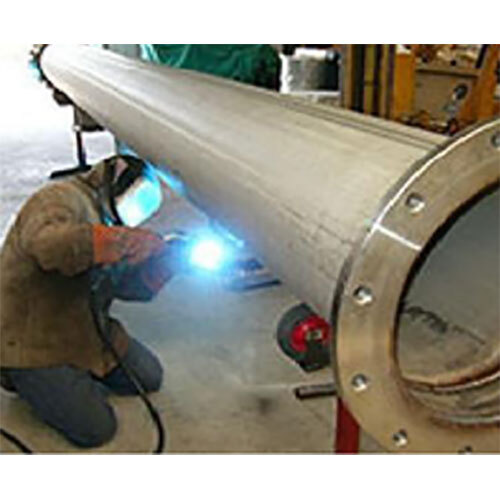
Steel pipeline fabrication is the process of creating steel pipes and piping components for transporting liquids, gases, or solids. This work involves cutting, shaping, welding, and inspecting the pipes to ensure they are safe and meet the project requirements by our team.Unmatched Customization and VersatilityFabricated steel pipelines are customized to meet the precise needs of industrial, oil & gas, water supply, and petrochemical sectors. Clients can select pipeline length, diameter, grades, and surface finish, with flexible end connections and pressure ratings suited to their projects. This customization ensures seamless integration into diverse operational environments.
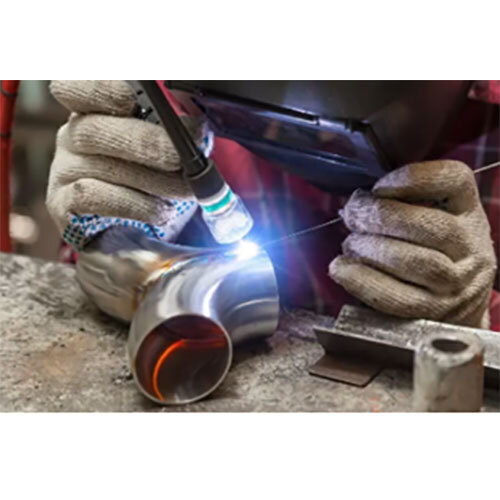
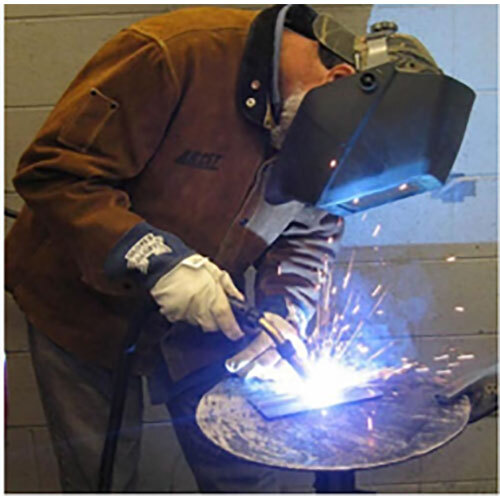
Advanced Welding and Quality AssuranceUtilizing arc, MIG, and TIG welding techniques, our pipelines achieve durable seams tailored to project specifications. Every fabrication undergoes meticulous hydrostatic, radiographic, and ultrasonic testing, confirming that the pipelines meet stringent safety, pressure, and quality requirements. Clients benefit from assured reliability and performance.
FAQ's of Steel Pipeline Fabrication:
Q: How is steel pipeline fabrication customized to meet specific client requirements?
A: Steel pipeline fabrication is tailored based on client specifications, including standards (ASTM, DIN, IS), welding method, material grade, length, diameter, and surface treatment. We review client drawings and requirements to ensure each pipeline matches their exact operational needs.
Q: What surface treatments are available to enhance corrosion resistance?
A: We offer high corrosion resistance through various surface treatments such as painting, galvanizing, or other protective coatings as specified by the client. These treatments safeguard pipelines against environmental and chemical exposure in demanding industries.
Q: When should radiographic or ultrasonic inspection methods be used?
A: Radiographic and ultrasonic inspections are applied during fabrication as specified by the project requirements, especially for high-pressure or critical applications, to detect internal and external flaws, ensuring pipeline integrity and compliance with safety standards.
Q: Where are fabricated steel pipelines typically used?
A: Fabricated steel pipelines are extensively used in industrial facilities, oil & gas infrastructure, water supply systems, and petrochemical plants due to their strength, durability, and suitability for handling various pressure ratings and corrosive environments.
Q: What is the benefit of choosing custom pressure ratings for pipelines?
A: Custom pressure ratings allow pipelines to operate safely under expected pressure conditions-low, medium, or high-as required by the specific project. This customization minimizes the risk of pipeline failure and increases operational safety.
Q: Which welding techniques are available for pipeline fabrication and how are they selected?
A: We offer arc welding, MIG, and TIG based on the project's specifications and required material characteristics. The selection depends on the pipeline's grade, thickness, and application, ensuring optimal strength and reliability for each project.





 Send Inquiry